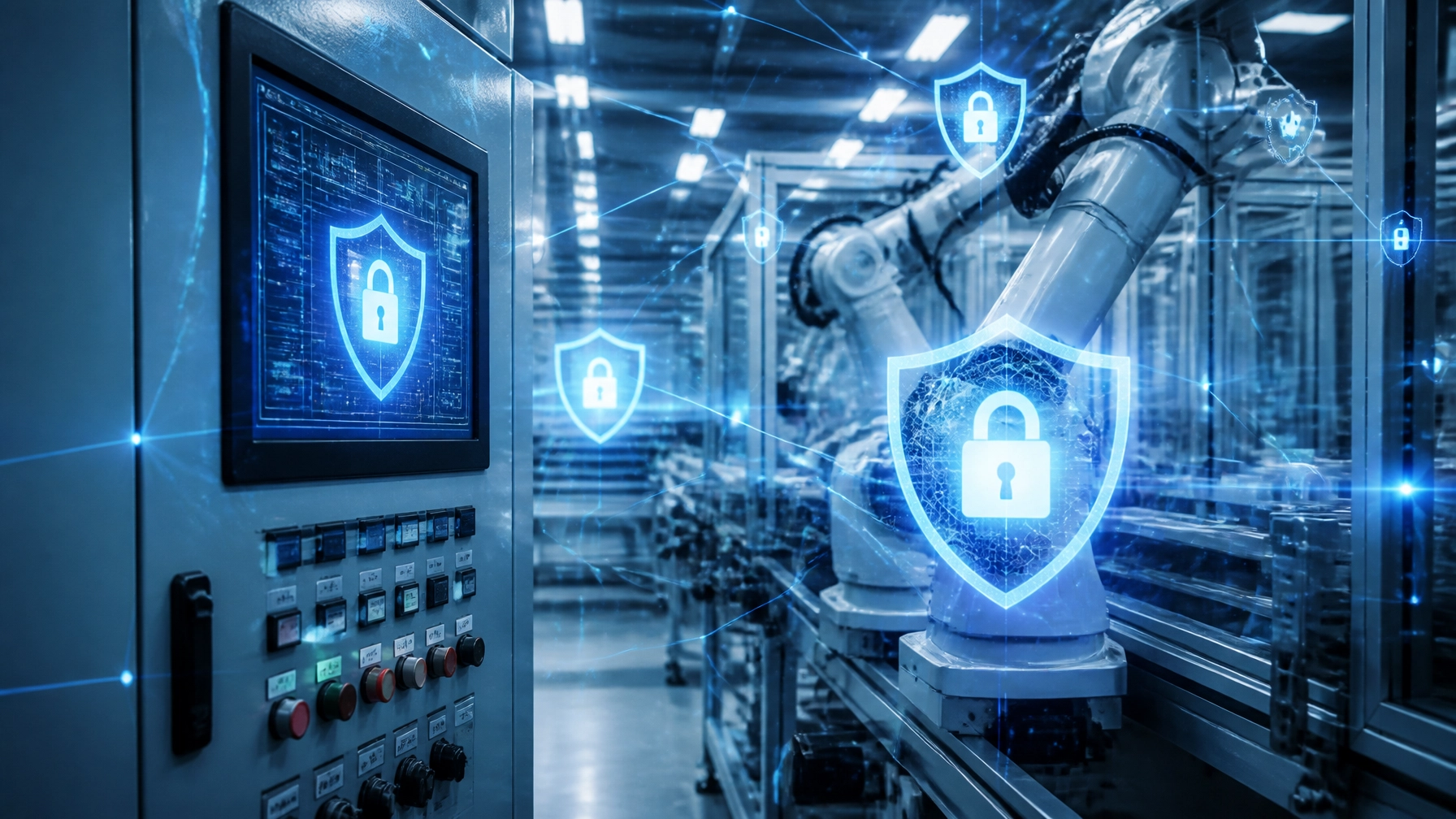
Based in Lebanon, Pennsylvania, Complete Control Solutions (CCS) provides industrial automation, control systems integration, robotics, and engineering solutions for manufacturers throughout Central Pennsylvania and the Mid-Atlantic region. In the early days of industrial automation, security was often an afterthought, largely because most facilities relied on “air-gapping”: the physical isolation of control networks from the internet and corporate IT systems. However, as we embrace the benefits of Industry 4.0, cloud-based analytics, and remote support, those air gaps have effectively disappeared. Today, a simple firewall at the perimeter is no longer a sufficient defense against the sophisticated threats facing modern manufacturing. Whether you are looking to modernize a legacy production line or build a new facility from the ground up, the conversation has shifted. It is no longer just about keeping the bad actors out; it is about building a robust, resilient architecture that can withstand and recover from incidents. This is where ISA/IEC 62443 comes in. As a dedicated partner in industrial automation and system integration, we at Complete Control Solutions (CCS) believe that understanding this standard is critical for any manufacturer looking to scale safely. In this guide, we will analyze why ISA/IEC 62443 has become the global benchmark for OT (Operational Technology) cybersecurity and how our engineering team helps you implement it effectively.
The Limitation of the “Crunchy Outside, Soft Inside” Approach
For years, the standard approach to industrial security was the “castle and moat” strategy. You would place a robust firewall at the edge of the network and assume everything inside was safe. The problem is that once a threat bypasses that perimeter: whether through a compromised USB drive, a remote access tool, or a lateral move from the corporate network: the entire plant floor is exposed. ISA/IEC 62443 moves beyond this outdated model. It provides a flexible framework specifically designed for Industrial Automation and Control Systems (IACS). Unlike IT standards that prioritize data confidentiality, 62443 prioritizes availability and integrity: ensuring that your processes keep running safely and predictably.
Understanding the Core Architecture: Zones and Conduits
One of the most transformative concepts within the ISA/IEC 62443-3-2 standard is the “Zones and Conduits” model. Instead of viewing the plant floor as one flat network, we segment it into logical groupings commonly referred to as VLANs (Virtual Local Area Networks).
Security Zones
A zone is a grouping of assets (PLCs, HMIs, drives, sensors) that share common security requirements. For example, your Safety Instrumented System (SIS) should reside in a different zone than your general-purpose SCADA workstations. By grouping assets this way, we can apply specific security policies to the most critical parts of your operation.
Conduits
A conduit is the firewall routed communication path between these zones. It represents the “tunnel” through which data flows. By defining and securing these conduits: using technologies like deep packet inspection (DPI) and hardware-based firewalls: we can control exactly what traffic is allowed to pass from one zone to another. This prevents a localized issue in one part of the plant from cascading into a facility-wide shutdown.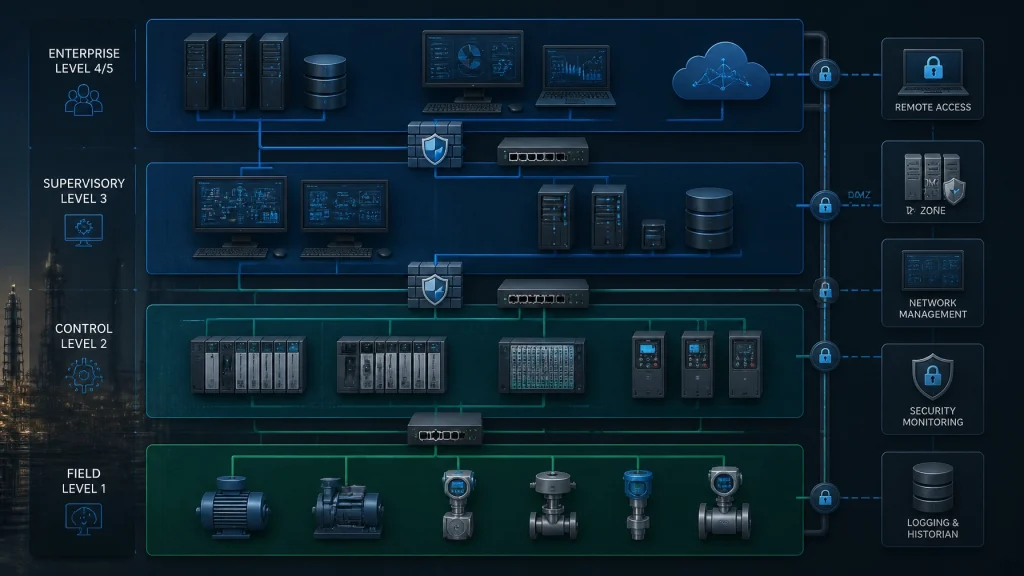
Defining Your Risk with Security Levels (SL)
Not every part of your plant requires the same level of protection. Protecting a cooling fan does not require the same investment as protecting a high-pressure reactor control system. ISA/IEC 62443 uses Security Levels (SL) to help us define the required and achieved resistance of a system:
- SL 1: Protection against casual or coincidental violation (unintentional errors).
- SL 2: Protection against intentional violation using simple means with low resources and low motivation.
- SL 3: Protection against intentional violation using sophisticated means with moderate resources and IACS-specific knowledge.
- SL 4: Protection against intentional violation using sophisticated means with extended resources and IACS-specific knowledge (state-sponsored level threats).
Our role during initial consulting is to help you perform a risk assessment to determine your Target Security Level (SL-T). From there, our engineering team designs the system to reach the Achieved Security Level (SL-A) through a combination of hardware selection and configuration.
Hardware Matters: The Role of Modern I/O and Control Panels
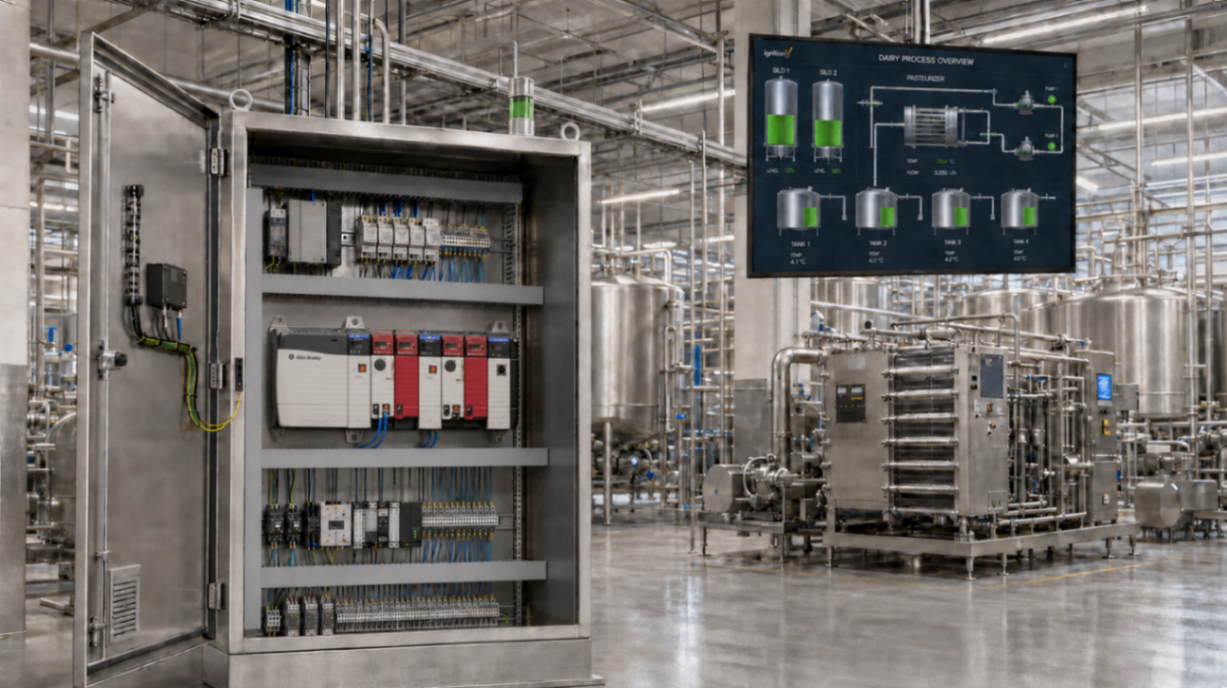
Implementing these standards requires hardware that is “secure by design.” When we design custom industrial control panels, we prioritize components that have been certified under ISA/IEC 62443-4-2 (Component Requirements). For instance, modern I/O systems, like the Allen-Bradley FLEXHA 5000™, offer built-in capabilities that support a more secure architecture. These modules are not just about high-performance data collection; they are designed to support redundant network topologies and offer better visibility into the health of the system.
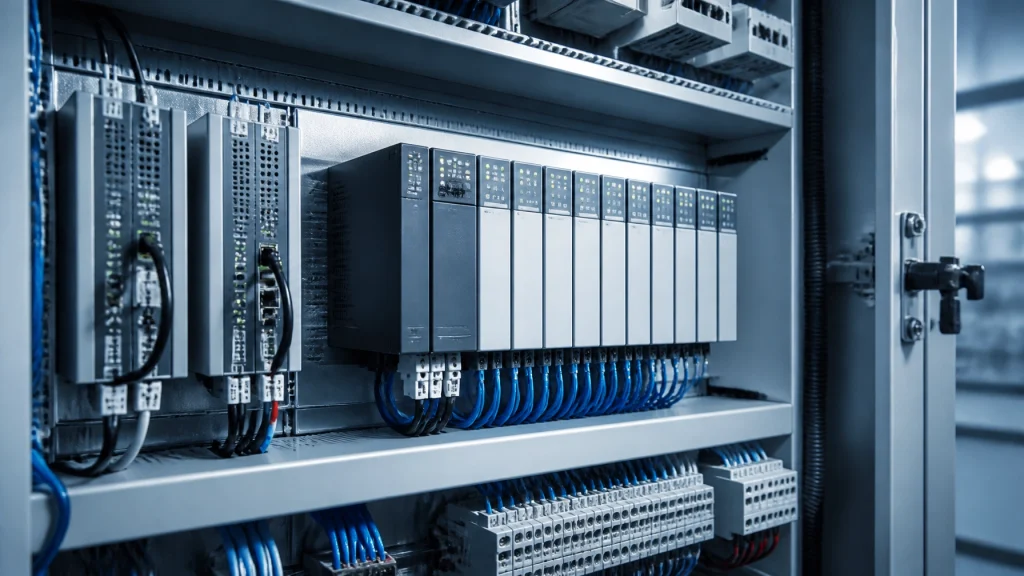 By integrating these types of modular, high-quality components, we ensure that your control system upgrades do not just improve production: they improve your overall security posture.
How CCS Helps You Navigate the Standard
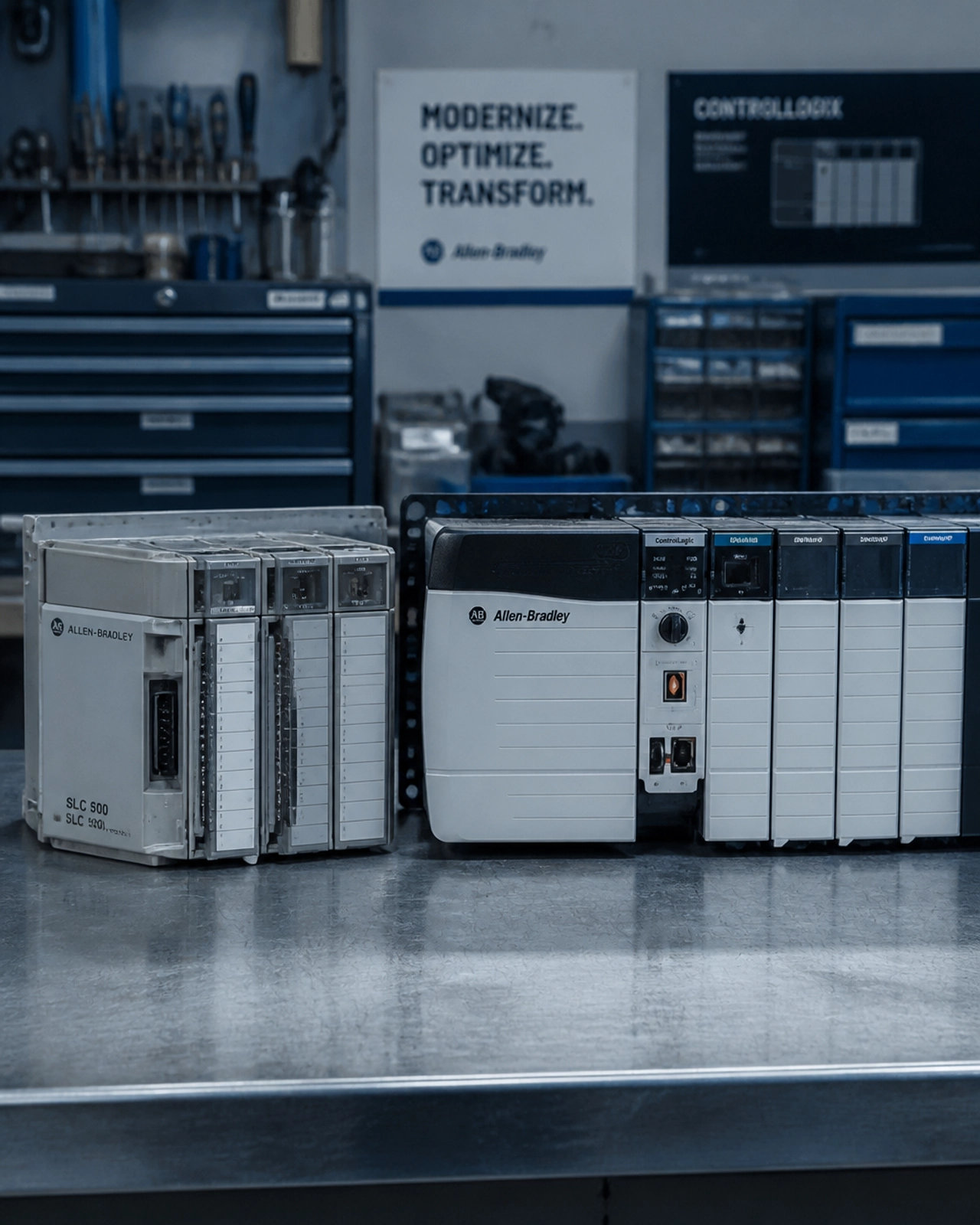
Transitioning to a 62443-compliant environment can feel overwhelming. Whether you are migrating from legacy SLC 500 systems to ControlLogix or integrating ABB robotics, security must be baked into the design from day one. Our approach is collaborative and proactive:
- Analyze and Assess: We initiate the process by understanding your current network topology and identifying potential vulnerabilities in your network architecture.
- Strategic Design: Our engineers equip your facility with state-of-the-art solutions, selecting components like those from Rockwell Automation or Ignition that meet the necessary Capability Security Levels (SL-C).
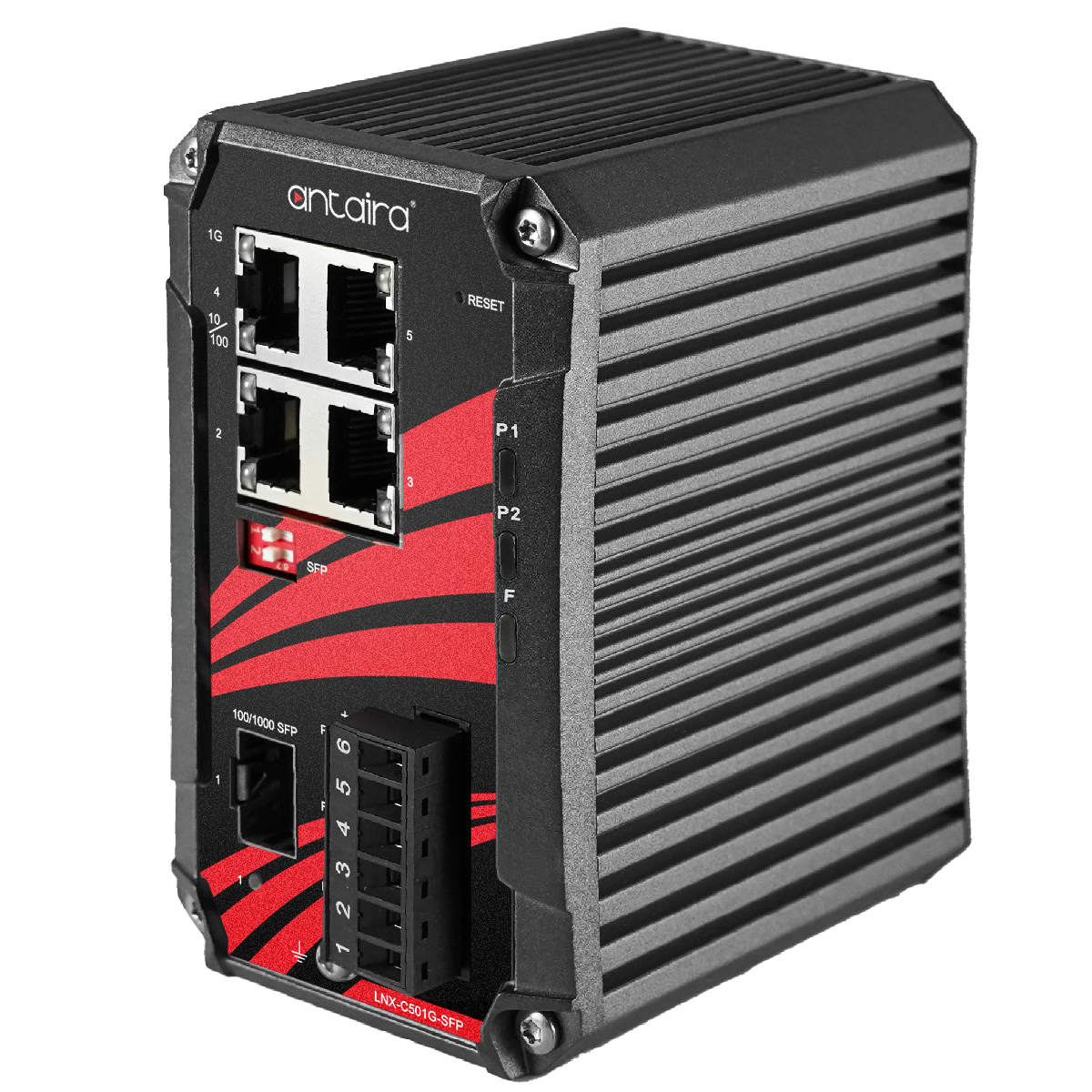
- On-Site Implementation: Our team provides on-site services to ensure that firewalls, managed switches, and PLC configurations are set up correctly according to the 62443 framework.
- Ongoing Support: Security is not a one-time project. We provide ongoing system support to maintain your achieved security levels as your production needs evolve.
The Long-Term Value of Compliance
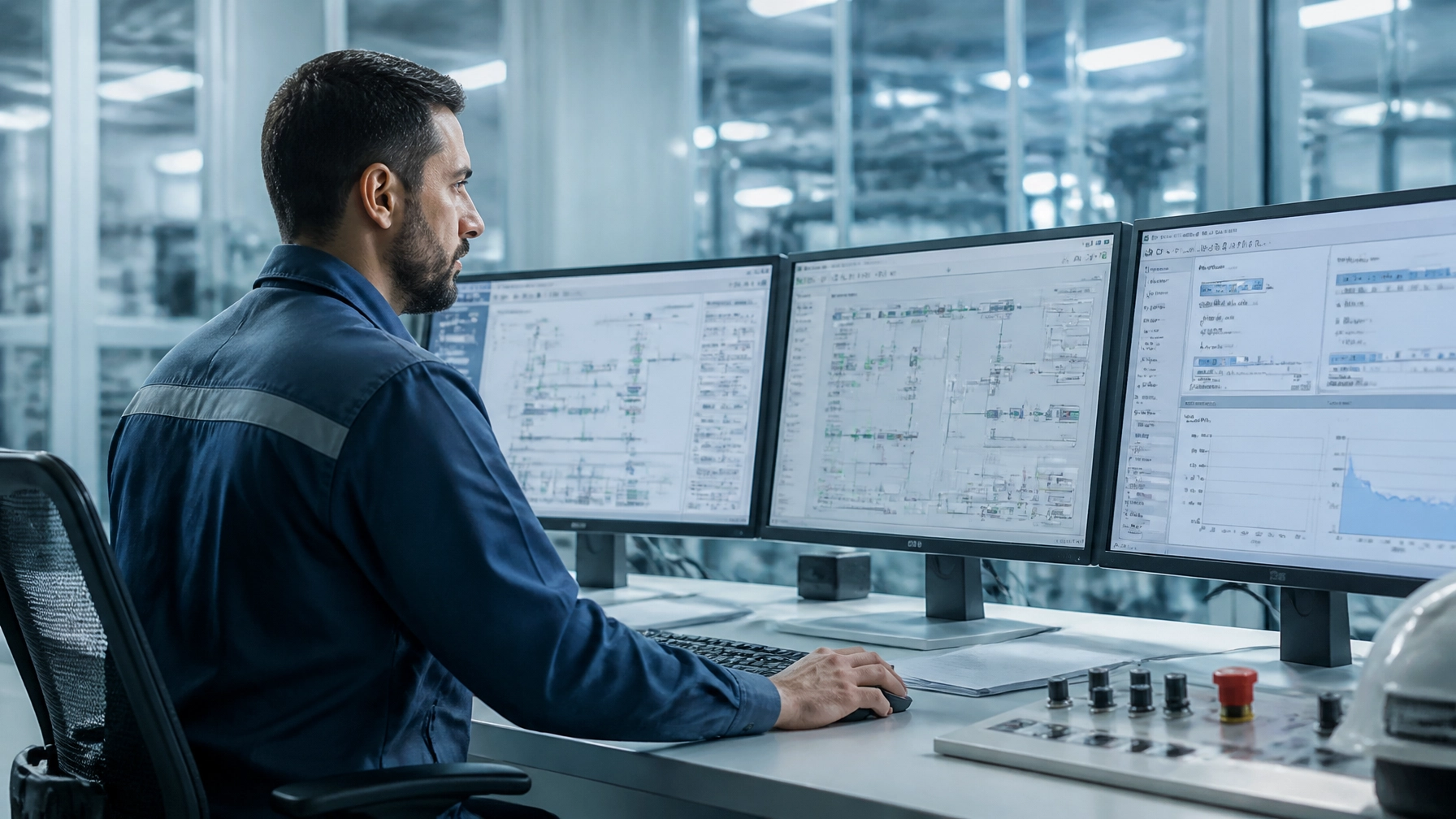
Investing in ISA/IEC 62443 compliance is about more than just checking a box for insurance or regulatory purposes. It is about ensuring the long-term reliability of your operations. A secure plant is a predictable plant. By reducing the risk of downtime caused by cyber incidents: or even accidental network loops and misconfigurations: you directly impact your bottom line. At Complete Control Solutions, we combine the resources of a large integrator with a highly personalized experience. We don’t just hand you a manual; we partner with you to ensure your facility is robust, safe, and ready for future needs. Are you ready to secure your plant floor beyond the firewall? Contact our engineering team today to discuss how we can help you implement ISA/IEC 62443 standards in your next automation project.