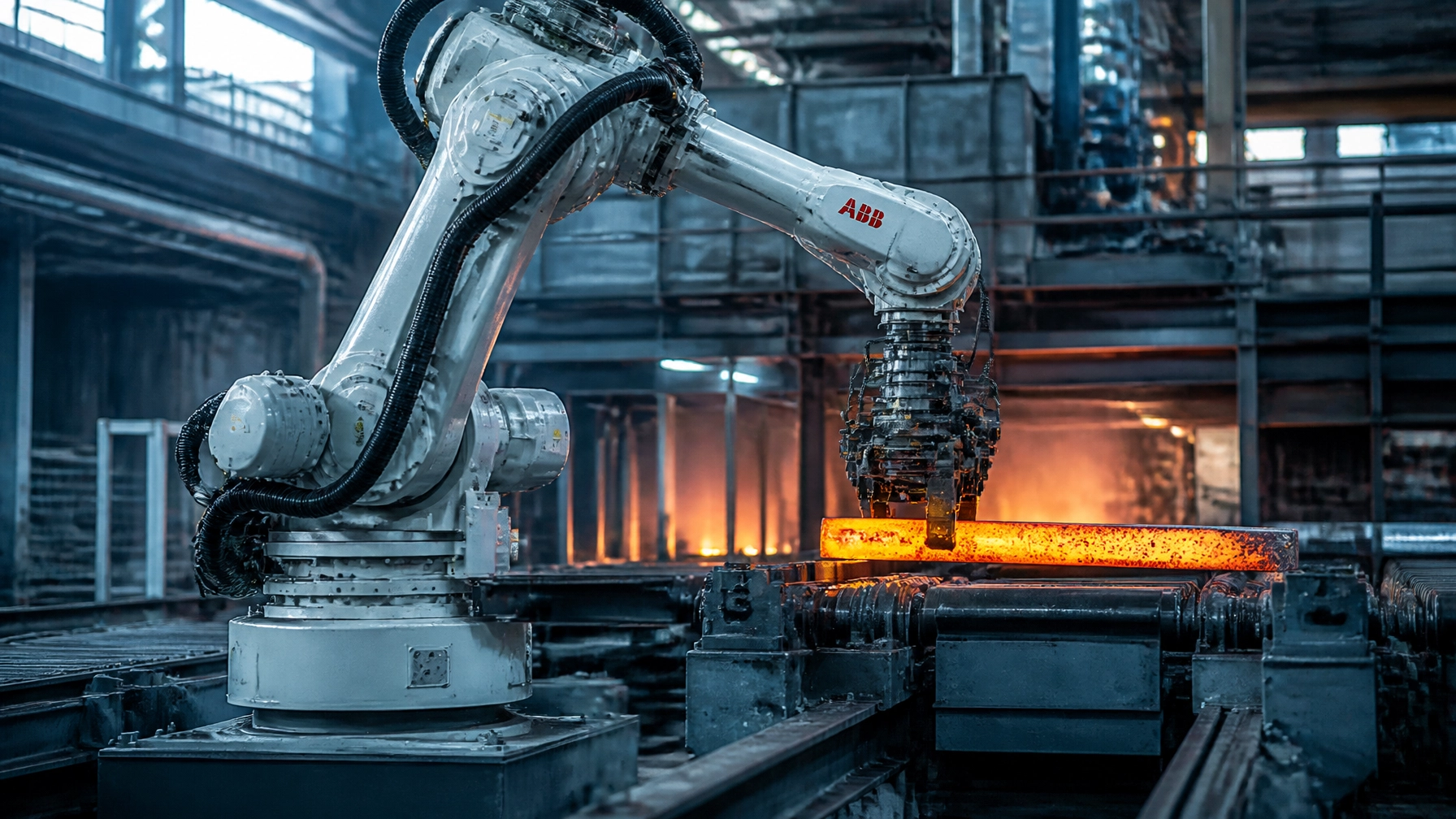
The metals industry is undergoing a massive transformation. Whether you are running a steel mill in Lebanon, a fabrication shop in Allentown, or a large-scale manufacturing plant near Philadelphia, the pressure to automate is no longer just about staying competitive: it is about survival. As manufacturers invest in robotics and smart-manufacturing technologies, the question is not simply whether to automate, but how to invest in systems that deliver measurable operational value.
At Complete Control Solutions (CCS), we have seen it all. We have stepped into facilities where state-of-the-art ABB robots were sitting idle because the underlying control logic couldn’t handle the variability of raw materials. We have also seen legacy systems breathe new life after a strategic control system upgrade.
Automating a metals operation: where high heat, heavy loads, and precision are non-negotiable: requires more than just buying an ABB robot. It requires a partner who understands the “why” behind the “what.” Here is our guide on where to start your journey and the pitfalls to avoid along the way.
Where to Start: The “Brain” Before the “Brawn”
The most successful automation projects don’t start with a purchase order for hardware. They start with an honest conversation. Our industrial automation consulting team always emphasizes that the first step is a comprehensive engineering assessment.
1. Identify the High-Leverage Pilot
Don’t try to automate your most chaotic, unpredictable process first. Instead, look for the “low-hanging fruit” that offers high ROI through improved safety or waste reduction. In the metals sector, this often looks like:
- Material Handling: Moving heavy coils or plates where the risk of injury is high.
- Quality Inspections: Using vision systems to detect defects in real-time on a fast-moving line.
- Repetitive Welding or Cutting: Processes where ABB robotics integration can improve repeatability, process consistency, and quality.
2. Modernize the Foundation
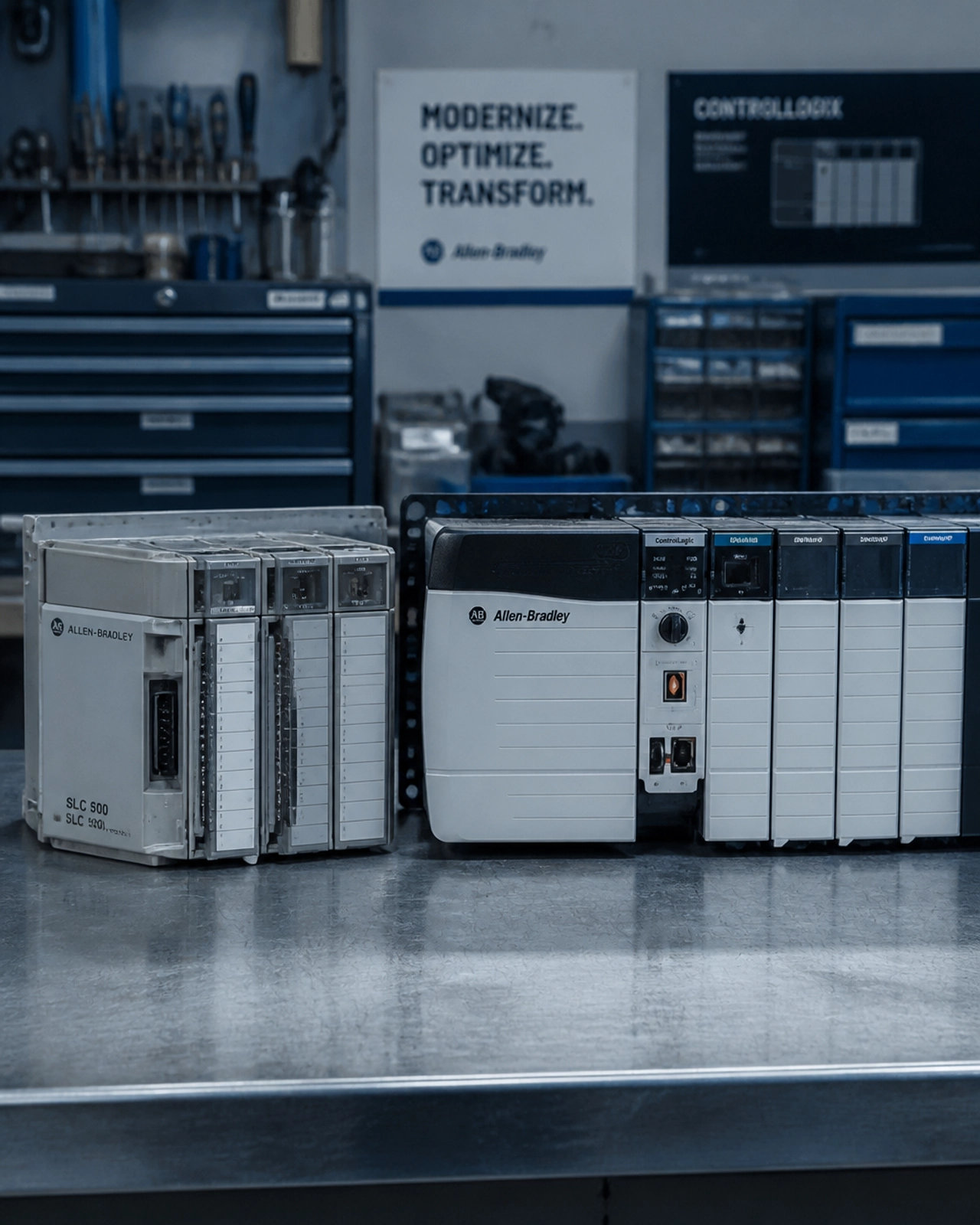
You cannot build a 21st-century automated system on a 20th-century foundation. Before adding advanced ABB robot systems, we often recommend legacy system upgrades to your existing PLCs and HMIs. If your current controllers are obsolete, adding a new ABB robot cell will only create a communication bottleneck.
The Technology Stack: Picking the Right Partners
We don’t believe in “vendor lock-in,” but we do believe in using the best tools for the job. Our engineers are credentialed experts in the platforms that drive the metals industry:
- Rockwell Automation: As a Rockwell Automation Bronze Partner, we specialize in PLC programming services that are robust enough for the harshest industrial environments.
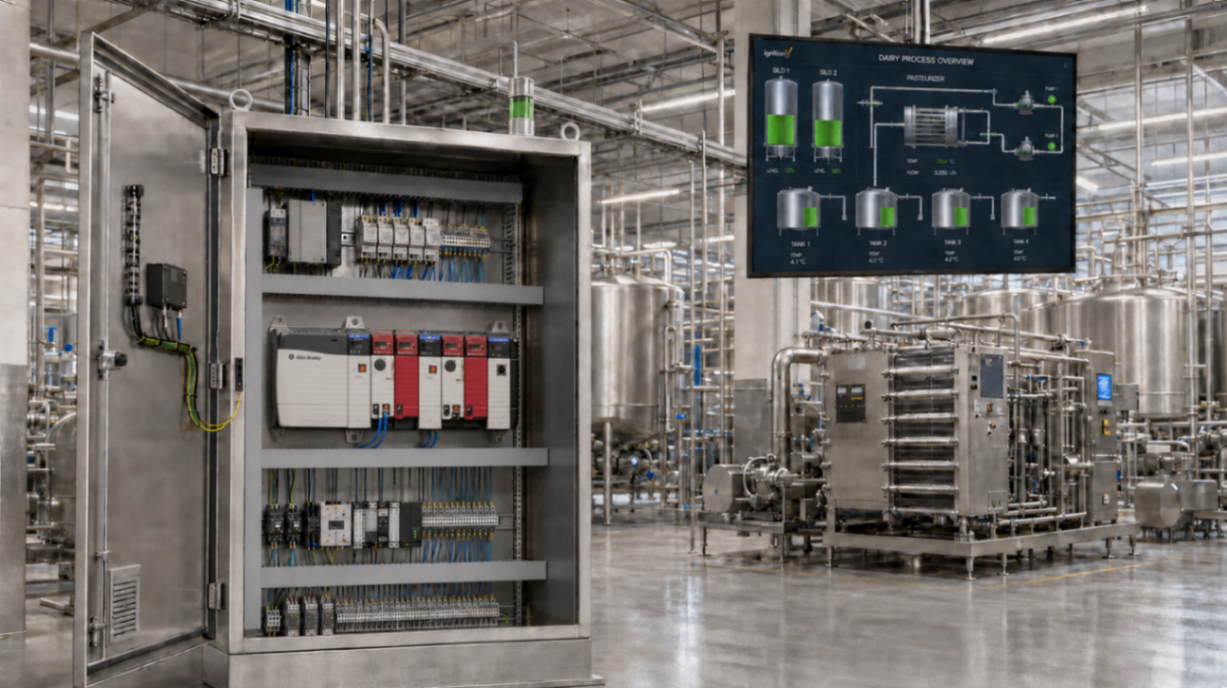
- Ignition by Inductive Automation: For HMI development and real-time data visualization, Ignition is our go-to. It allows metals manufacturers to see exactly what is happening on the floor: from molten temperatures to cycle times: on any device.
- ABB Robotics: When it comes to the heavy lifting, our status as an Authorized ABB Robotics System Integrator ensures that your ABB robot cells are designed, programmed, and maintained to the highest standards, with modern control systems and ABB OmniCore controllers where the application calls for them.
What to Avoid: 4 Common Pitfalls in Metals Automation
In our years serving the Mid-Atlantic region: from Harrisburg to Lancaster and beyond: we’ve identified several recurring mistakes that can derail a project.
1. The “Copy-Paste” Mistake
A common error is trying to make an ABB robot mimic a human’s manual workflow exactly. ABB robots aren’t humans; they don’t have eyes that can “adjust” to a slightly bent plate on the fly unless they are programmed with the right sensors. Successful control system integration involves redesigning the process to leverage the ABB robot’s strengths: speed, force, and repeatability: rather than just replacing a person with a machine.
2. Skipping Proper Control Panel Design
Your control panel is the central nervous system of your operation. We’ve seen plants try to save money by using “off-the-shelf” panels that aren’t rated for the heat and dust of a metals facility. At CCS, our industrial control panels are custom-fabricated to meet specific environmental demands, ensuring your electronics don’t fry when the furnace is at full tilt.
3. Underestimating Cybersecurity (ISA/IEC 62443)
In 2026, a connected factory is a vulnerable factory. Many manufacturers mistakenly believe that being “offline” or behind a simple firewall is enough. We advocate for the ISA/IEC 62443 standard, which is the global benchmark for industrial automation and control systems (IACS) security. Whether it’s protecting your IP or preventing a production-stopping ransomware attack, cybersecurity must be baked into the engineering phase, not added as an afterthought. You can read more about our approach in our deep dive on why ISA/IEC 62443 is the new standard.
4. Ignoring On-Site Support and Training
Automation isn’t a “set it and forget it” solution. Your team needs to know how to troubleshoot, recover from a fault, and perform basic maintenance. We pride ourselves on our on-site services and ongoing system support. We don’t just drop off a machine and leave; we stay until your team is confident and your production goals are being met.
Local Expertise, Global Standards
One of the unique advantages of working with Complete Control Solutions is our footprint. While we provide world-class industrial automation services, we are rooted right here in the Mid-Atlantic. Whether you need a quick technician dispatch in Lebanon County or a full distributed control system overhaul in Philadelphia, we are close enough to be on-site when you need us most.
We combine the resources of a large integrator with the highly personalized experience of a local partner. We speak your language: whether that’s the language of Rockwell function blocks or the language of your bottom line.
Conclusion: Let’s Build the Future of Your Facility
Automating your metals operation is a journey, not a single event. By starting with a solid engineering foundation, avoiding the pitfalls of over-automation, and prioritizing cybersecurity, you can ensure that your investment pays off for decades to come.
Are you ready to see what’s possible? Whether you have a legacy system in need of an upgrade or a blank-slate project that requires expert industrial automation consulting, our team is ready to help.
Contact CCS today to schedule your initial assessment and take the first step toward a more efficient, safer, and more profitable future.