Selecting the right industrial control panel can affect installation time, operating reliability, maintenance, and future expansion. For some applications, a standard or pre-engineered control panel provides a practical, cost-effective solution. For others, a custom industrial control panel is the better choice because the process, environment, or integration requirements are unique.
The right decision depends on more than the initial purchase price. Lead time, flexibility, scalability, documentation, support, and safety requirements should all be considered before a panel is specified or ordered.
At Complete Control Solutions (CCS), we help manufacturers evaluate these factors and develop an approach aligned with their specific needs and expectations. We support everything from smaller panel projects and programming requirements to larger automation upgrades and distributed control systems.
What Are Standard Industrial Control Panels?
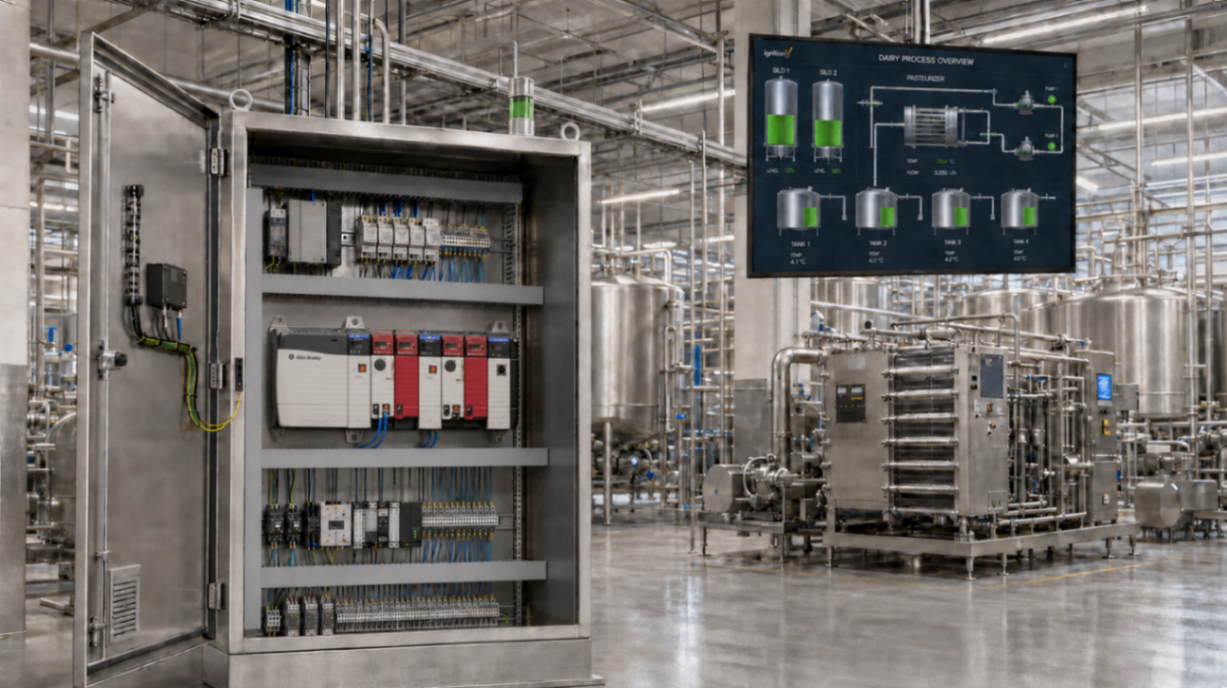
Standard industrial control panels: also called pre-engineered control panels: are built around established designs, component combinations, enclosure sizes, and control architectures. They are intended for common, repeatable applications where the required functionality is well understood.
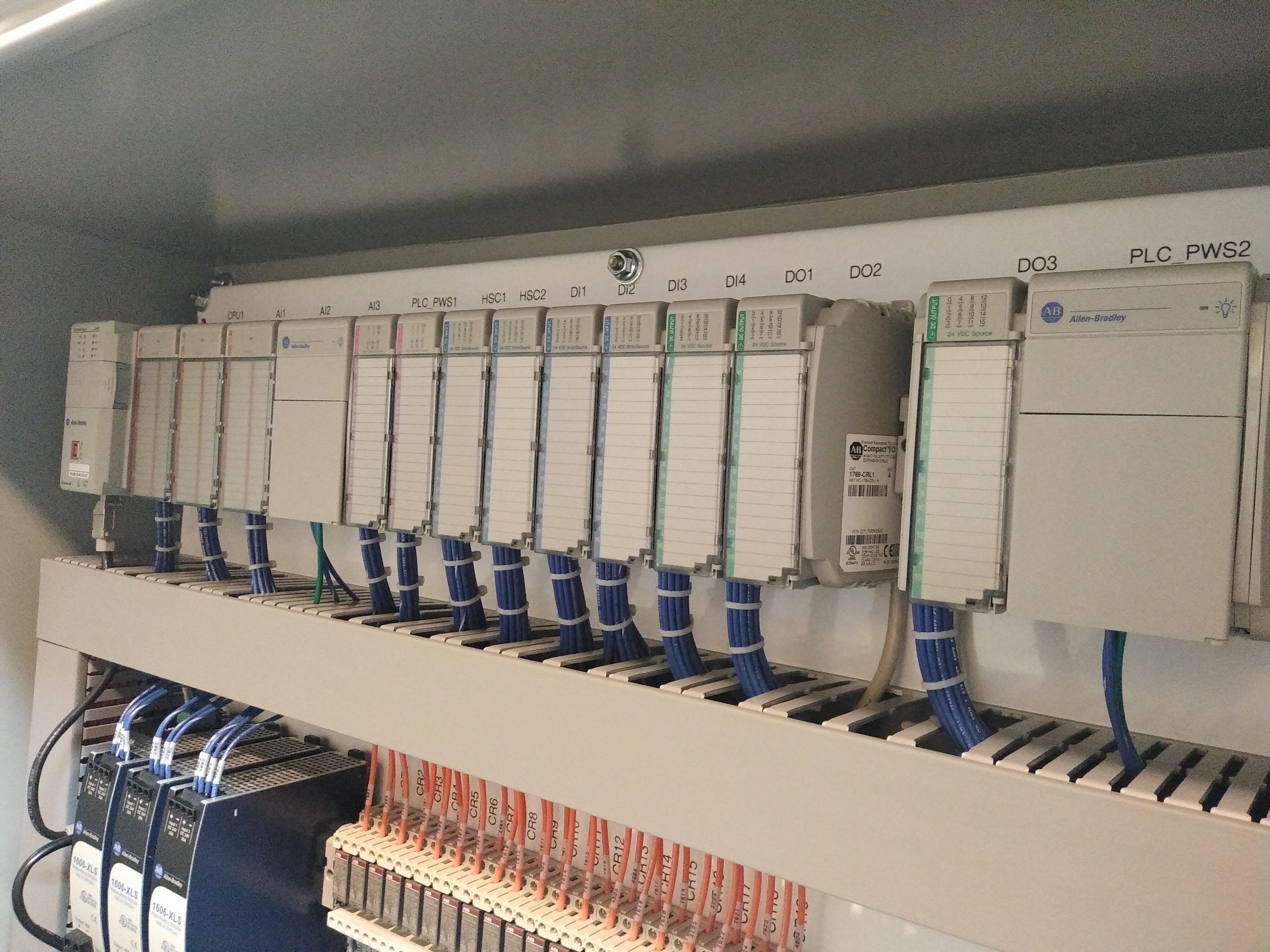
A standard panel may include components such as:
- Circuit protection and disconnects
- Power supplies and control transformers
- Motor starters or variable frequency drive interfaces
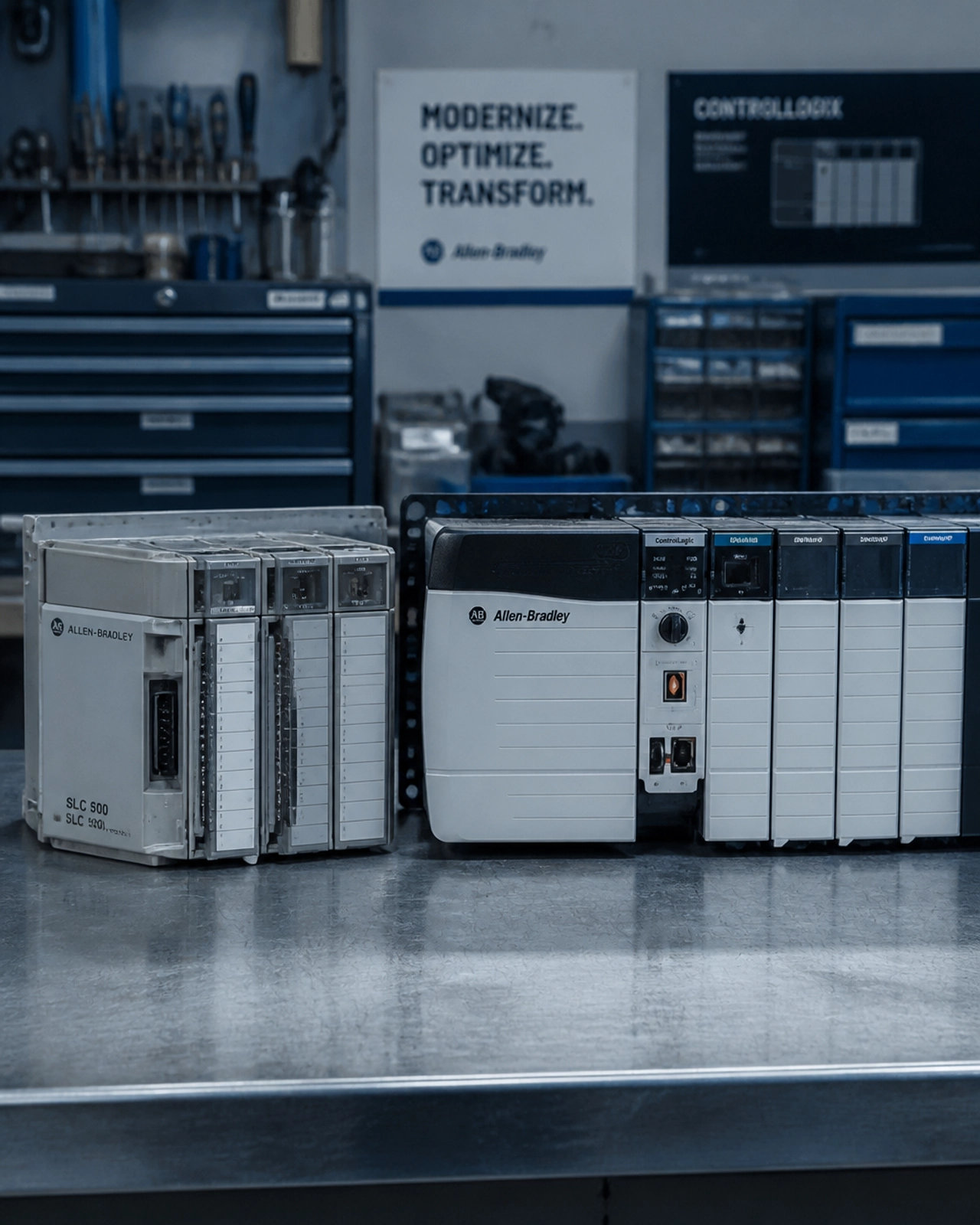
- Programmable logic controller (PLC) hardware
- Input and output modules
- Terminal blocks and relays
- Operator interface devices
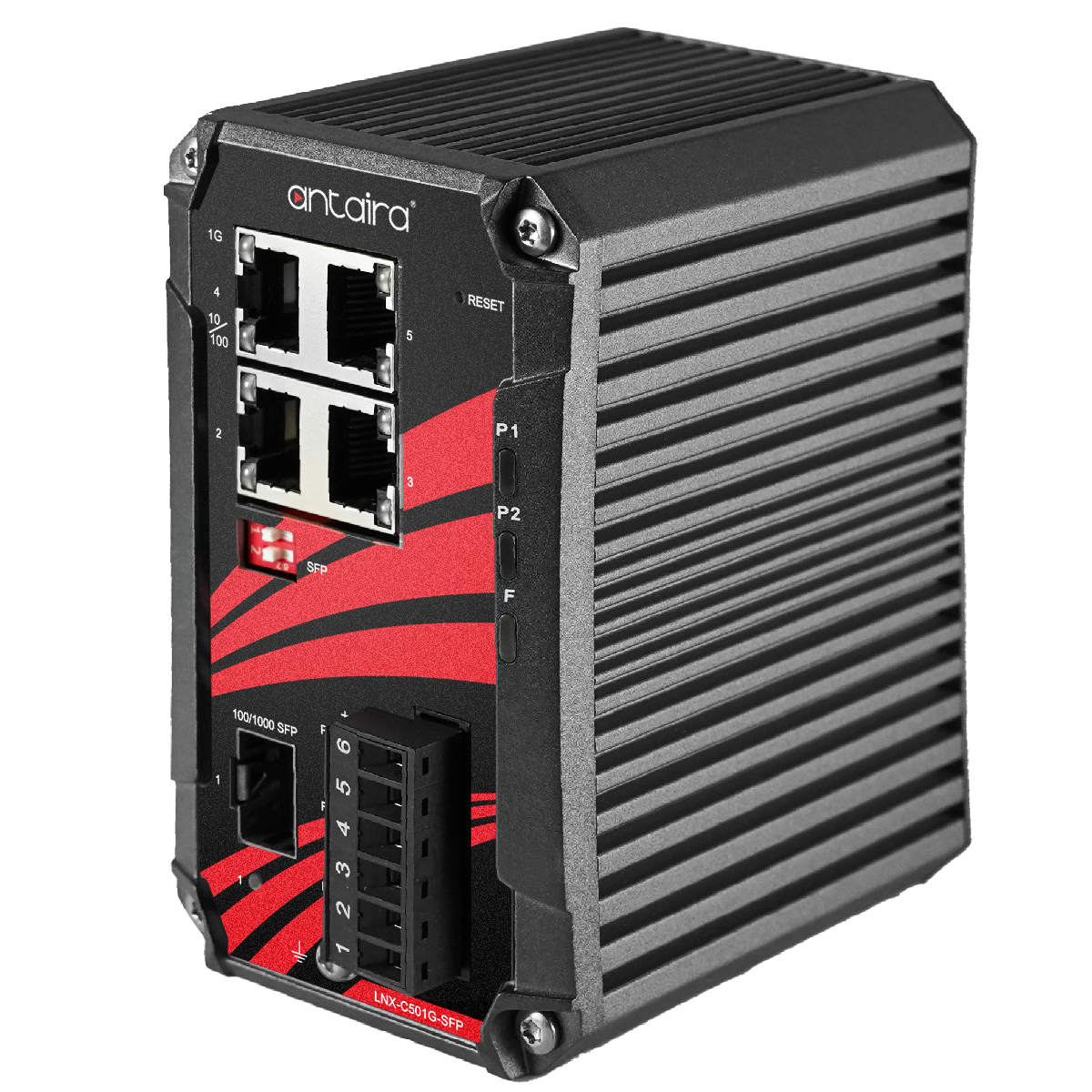
- Basic network communication equipment
Because the design is repeatable, a standard panel can often be engineered and assembled more quickly than a fully customized solution. Some designs may also be stocked or offered as ready-to-ship control panels by manufacturers and distributors.
That speed can be valuable when a replacement panel is needed quickly, a machine configuration is consistent across multiple installations, or the application has a limited number of control requirements.
Advantages and Limitations of Pre-Engineered Control Panels
Advantages of Standard Panels
The primary advantage of a standard panel is efficiency. Since much of the design work has already been established, engineering and fabrication may require less time.
Standard industrial control panels can offer:
- Shorter lead times: A proven design and commonly used bill of materials can simplify procurement and assembly.
- Lower initial cost: Reusable engineering and standardized components can reduce design and fabrication expenses.
- Consistent layouts: Repeated panel designs may make installation and maintenance more familiar for plant personnel.
- Predictable operation: Standard designs are often based on established applications and component arrangements.
- Simplified replacement: Matching a panel to an existing standard design may reduce the time needed to restore equipment operation.
These benefits make standard panels a good fit for straightforward applications with stable requirements.
Limitations of Standard Panels
The same standardization that makes these panels efficient can also limit their flexibility. A pre-engineered panel may not accommodate unusual enclosure dimensions, specialized environmental conditions, or complex equipment interfaces without modification.
Potential limitations include:
- Fixed enclosure sizes and internal layouts
- Limited space for additional I/O or future equipment
- Less flexibility for specialized devices or communication networks
- Difficulty accommodating unusual power requirements
- Potential challenges in washdown, corrosive, high-temperature, or space-constrained environments
- Additional cost or risk if significant field modifications are required
Modifying an existing standard panel can also affect enclosure ratings, wiring space, component clearances, or the validity of the original documentation. Any modifications should be evaluated by a qualified engineering or panel-building partner.
What Are Custom Industrial Control Panels?
Custom industrial control panels are engineered and fabricated for a specific machine, process, facility, or integration requirement. Instead of adapting a standard design to fit the application, the panel is developed around the application from the beginning.
Custom panel engineering may address:
- Process sequence and control philosophy
- PLC, HMI, and safety system requirements
- Power distribution and motor control
- Variable frequency drives and servo systems
- Remote I/O and industrial networking
- SCADA, MES, or plant data requirements
- Operator access and panel ergonomics
- Enclosure material, size, and environmental rating
- Future expansion and spare capacity
- Plant standards and preferred components
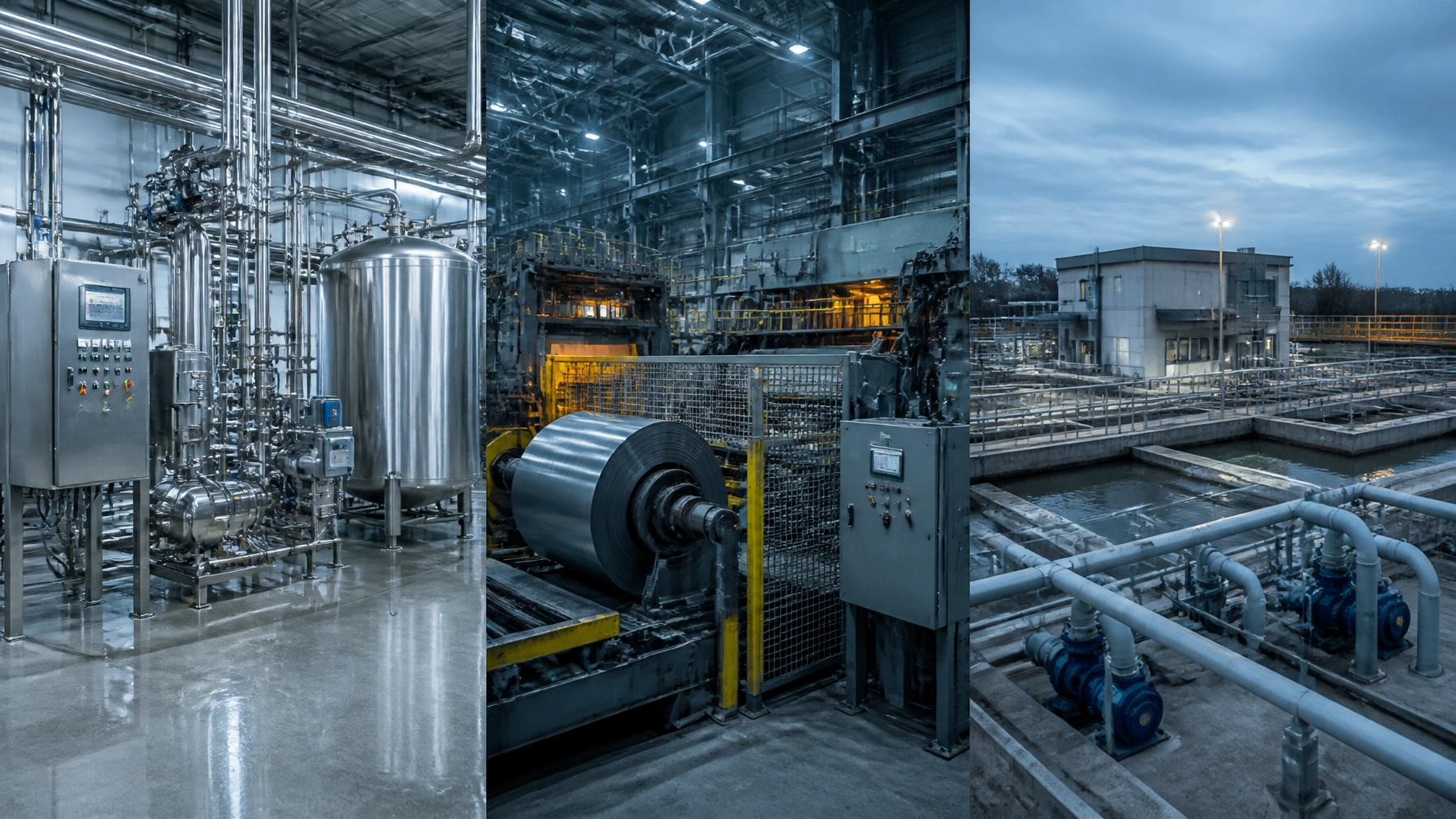
A custom industrial control panel can be designed as part of a new automation system, a machine build, a process skid, a line expansion, or a legacy control system upgrade.
Custom designs are especially valuable when the panel must connect multiple types of equipment or coordinate control across a broader manufacturing process.
Advantages and Limitations of Custom Panels
Advantages of Custom Industrial Control Panels
Custom panels provide the flexibility to address the actual requirements of your equipment and facility. Our engineers can analyze the application, corroborate the control requirements with the equipment design, and develop a panel layout that supports safe and maintainable operation.
Key benefits include:
- Application-specific design: The panel is built around the process, equipment, and operating objectives.
- Greater flexibility: Components, enclosure dimensions, layout, and interfaces can be selected for the application.
- Improved scalability: Space, power capacity, network infrastructure, and I/O can be planned for future needs.
- Better integration: Custom panels can be designed to communicate with PLCs, HMIs, SCADA platforms, drives, robots, and plant networks.
- Improved maintainability: Clear labeling, logical component arrangement, wire management, and documentation can simplify troubleshooting.
- Environmental suitability: The design can account for washdown, dust, heat, moisture, corrosion, or other site conditions.
- More complete documentation: Engineering drawings, wiring diagrams, bills of materials, and test records can be developed as project deliverables.
These advantages can reduce lifecycle costs even when a custom panel has a higher initial price. A panel that is easier to troubleshoot, expand, and support may provide greater long-term value than a lower-cost panel that does not match the application.
Limitations of Custom Panels
Custom panels generally require more time and engineering effort. The process may include requirements gathering, electrical design, component selection, drawing development, fabrication, inspection, testing, and customer review.
As a result, custom panels may involve:
- Higher upfront engineering and fabrication costs
- Longer lead times than stock or standard designs
- More decisions during the design and approval process
- Greater importance placed on accurate specifications
- Additional coordination between the panel builder, equipment suppliers, and plant personnel
Open, fluent communication is critical throughout the project. When requirements are incomplete or change late in the process, the schedule and budget may be affected. An experienced engineering partner helps initiate the project with the right questions and confirms expectations before fabrication begins.
Standard vs. Custom Control Panels: Key Differences
| Consideration | Standard or Pre-Engineered Panel | Custom Industrial Control Panel |
|---|---|---|
| Initial cost | Typically lower for common applications | Typically higher due to engineering and fabrication |
| Lead time | Often shorter, especially for stocked designs | Usually longer because the panel is engineered to order |
| Flexibility | Limited to established options and layouts | High; designed around the application |
| Scalability | May have limited room for expansion | Can include planned space and capacity for future needs |
| Maintainability | Consistent when the design is familiar | Can be optimized through layout, labeling, and documentation |
| Integration | Well suited to simple, stand-alone systems | Better for complex equipment and plant-wide systems |
| Environmental requirements | May require upgrades or modifications | Enclosure and components can be selected for site conditions |
| Documentation | May be based on standard drawings | Can include project-specific drawings and records |
| Support | May depend on the original manufacturer | Can be supported by the engineering partner who designed the system |
Common Applications for Standard Panels
Standard industrial control panels may be appropriate when the application is simple, repeatable, and unlikely to change significantly. Common examples include:
- Basic pump control
- Fan and blower control
- Simple conveyor applications
- Small machine control systems
- Repetitive OEM equipment
- Utility equipment with established control requirements
- Replacement panels matching an existing design
If the panel’s dimensions, power requirements, I/O count, environmental conditions, and communications are already known, a standard approach may provide an efficient path forward.
However, “standard” should not mean “automatically suitable.” The panel still needs to match the equipment and facility requirements.
When Is a Custom Panel the Better Choice?
A custom industrial control panel is usually the better option when the application includes unique requirements or significant consequences for downtime.
Consider a custom design when:
- The equipment must fit within a specific space
- The process includes multiple machines or control zones
- The panel must integrate with an existing PLC or SCADA system
- The application requires safety circuits or specialized interlocks
- The facility has washdown, corrosive, dusty, or temperature-sensitive conditions
- You expect production expansion or additional equipment
- The panel must support plant-wide networking or data collection
- Existing documentation is incomplete or outdated
- The process is critical to production, quality, or safety
- A legacy control system is being upgraded or replaced
Custom design is also valuable when you need one partner to coordinate electrical engineering, PLC programming, HMI development, networking, fabrication, testing, installation, and support.
What Should You Verify Before Ordering a Panel?
Whether you are evaluating industrial control panels for sale, ready-to-ship control panels, or a custom build, confirm the following before placing an order:
- Application requirements: What equipment and process functions must the panel control?
- Electrical specifications: Verify voltage, current, short-circuit current rating, disconnect requirements, and available fault current.
- I/O requirements: Confirm the number and type of digital, analog, safety, and specialty signals.
- Component compatibility: Make sure the PLC, HMI, drives, sensors, and communication devices are compatible with the existing system.
- Enclosure requirements: Review dimensions, material, Type, NEMA, or IP rating, cooling, access, and mounting conditions.
- Environmental conditions: Account for moisture, dust, chemicals, heat, vibration, and washdown procedures.
- Documentation: Request wiring diagrams, panel layouts, terminal schedules, bills of materials, and operating information as appropriate.
- Testing requirements: Clarify whether the panel will undergo inspection, point-to-point testing, functional testing, or a formal factory acceptance test.
- Expansion needs: Identify spare space, spare I/O, additional power capacity, and future network requirements.
- Support expectations: Establish who will assist with installation, startup, troubleshooting, modifications, and upkeep.
UL 508A Considerations
UL 508A is a key standard used in the design and construction of industrial control panels for many applications in the United States. It addresses important considerations such as component use, wiring methods, spacing, enclosure construction, overcurrent protection, labeling, and short-circuit current rating.
UL 508A considerations may apply to both standard and custom panels. A standard design is not automatically appropriate simply because it is pre-engineered, and a custom panel is not automatically compliant simply because it was designed for a specific application.
Before ordering, ask the panel supplier or engineering partner to clarify:
- Whether the panel will carry a UL 508A label
- How the panel’s SCCR will be established
- Which components are being used and how they are evaluated
- What inspection and testing will be performed
- Which drawings and compliance records will be supplied
- Whether field modifications could affect the panel’s construction or ratings
CCS provides industrial control panel design and build services with UL 508A requirements addressed as part of the engineering process. Project-specific labeling, documentation, and inspection requirements should be reviewed based on the application, installation location, and customer specifications.

How CCS Can Help You Choose the Right Approach
The choice between a standard panel and a custom industrial control panel should begin with the application: not with a catalog listing or a fixed design.
CCS can analyze your requirements, review existing documentation, and help determine whether a standard solution is sufficient or whether a custom design will provide better performance and long-term value. Our capabilities include panel design and fabrication, PLC and HMI engineering, industrial networking, control system upgrades, on-site services, and ongoing system support.
For manufacturers looking for industrial control panel design in Pennsylvania, CCS supports customers in Lebanon, Harrisburg, Lancaster, Allentown, Philadelphia, Central Pennsylvania, and the broader Mid-Atlantic region. We work with clients who need a focused panel project as well as organizations planning larger automation and modernization initiatives.
If you are comparing options from an industrial control panel supplier in Pennsylvania, contact Complete Control Solutions with your panel requirements, specifications, existing drawings, or project goals. Our engineers will help you evaluate the right path and develop a robust solution aligned with your current operation and future needs.
Contact CCS for Industrial Control Panel Requirements and Project Consultation