Selecting a SCADA platform is a long-term decision. The system you choose will influence how operators interact with equipment, how production data is collected, and how easily your plant can expand in the future. For a more detailed two-platform analysis, read our Ignition vs. AVEVA SCADA comparison for 2027.
For many manufacturers, the decision comes down to three established platforms: Ignition by Inductive Automation, Rockwell FactoryTalk, and AVEVA software, including the InTouch and System Platform offerings formerly associated with Wonderware.
Each platform can support reliable industrial monitoring and control. However, the best fit depends on your existing PLCs, data strategy, operating model, budget, and future needs. In this guide, we compare the platforms across architecture, licensing, scalability, visualization, historian and reporting capabilities, controls compatibility, support, and migration considerations.
Ignition, FactoryTalk, and AVEVA at a glance
| Consideration | Ignition | Rockwell FactoryTalk | AVEVA InTouch/System Platform |
|---|---|---|---|
| Common fit | Mixed-vendor plants, new systems, and scalable data architectures | Allen-Bradley-centered facilities | Large process, batch, and AVEVA-standardized facilities |
| Architecture | Gateway-centered with Vision and Perspective modules | Distributed FactoryTalk architecture | Galaxy-based System Platform architecture with InTouch/OMI |
| Licensing approach | Generally server- and module-based | Server, station, client, and product-based licensing | Product, tag or I/O, historian, or subscription-based licensing depending on offering |
| Visualization | Vision desktop clients and browser-based Perspective sessions | FactoryTalk View SE and ViewPoint | InTouch HMI and InTouch OMI |
| Data and historian | SQL-based historian and reporting modules | FactoryTalk Historian and related products | AVEVA Historian and AVEVA reporting or analytics products |
| Controls compatibility | Broad, including OPC UA, MQTT, SQL, and mixed PLC environments | Strongest alignment with Rockwell controls | Strong fit with AVEVA and process automation ecosystems |
These are general comparisons. Editions, versions, product bundles, and licensing terms change over time, so a project-specific evaluation is essential.
Architecture and system administration
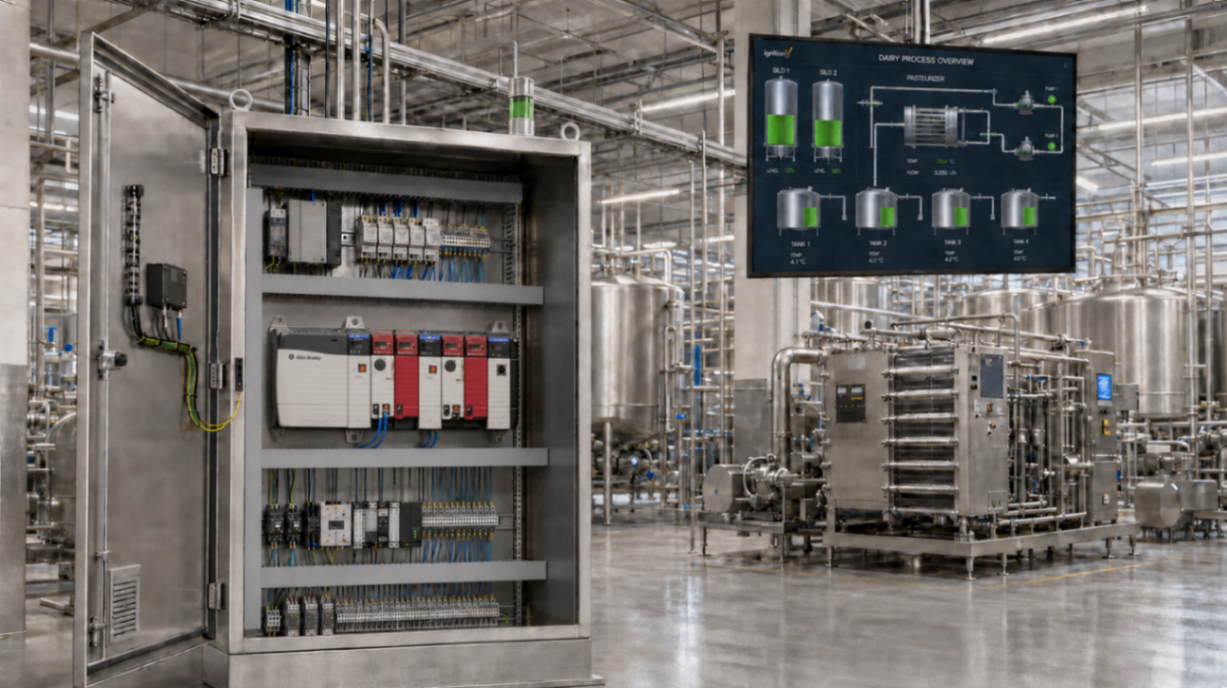
Ignition uses a centralized Gateway architecture. The Gateway manages projects, device connections, tags, users, alarms, and modules. Operators can access applications through traditional Vision clients or browser-based Perspective sessions.
This approach can simplify deployment because much of the application is managed centrally. It also supports integration with databases, OPC UA devices, MQTT architectures, and web technologies. For manufacturers planning a unified namespace or broader IT/OT data strategy, this architecture may be attractive.
FactoryTalk View Site Edition uses a distributed architecture built around FactoryTalk services, HMI servers, data servers, clients, and FactoryTalk Directory. This structure is well suited to facilities that already use Allen-Bradley controllers, Studio 5000, FactoryTalk Linx, FactoryTalk Alarms and Events, or other Rockwell products.
AVEVA System Platform uses an object-oriented Galaxy architecture. Application servers, templates, engines, and associated services can provide a structured approach for large and complex facilities. InTouch HMI and InTouch OMI provide operator and supervisory visualization options within the AVEVA ecosystem.
The practical difference is administrative style. Ignition often provides a more centralized and web-oriented experience, while FactoryTalk and AVEVA commonly involve more distributed services and product-specific configuration. That does not make one architecture universally better. Your existing standards, IT policies, network design, and internal expertise should guide the decision.
Licensing and cost scalability
Licensing deserves careful attention because SCADA costs can change as a facility adds tags, operator stations, reports, historians, and sites.
Ignition is known for a server-based licensing model. A standard gateway license is typically paired with the modules required for the application, such as Perspective, Vision, Tag Historian, Reporting, SQL Bridge, alarm notification, or MQTT functionality. Standard unlimited editions generally do not charge separately for each runtime client or tag. However, the exact license structure depends on the selected edition and modules.
FactoryTalk licensing is organized around the products and runtime components used in the application. Depending on the version and configuration, considerations may include server or station licensing, clients, FactoryTalk View components, historian products, and other FactoryTalk software. FactoryTalk View SE and FactoryTalk Historian should be evaluated as related but distinct products rather than assumed to be one combined license.
AVEVA licensing varies according to the product, edition, and commercial model. Traditional InTouch and Historian deployments may be sized by tags or I/O points, while newer AVEVA offerings may include unlimited or subscription-based options. System Platform, InTouch, Historian, and associated services should be reviewed together with an authorized AVEVA representative or integrator.
The most important question is not simply, “Which platform has the lowest initial price?” Instead, analyze how the license will behave when you add:
- Additional operator stations
- New production lines
- More historical tags
- Remote or web-based users
- Additional facilities
- Reporting and analytics modules
- Redundant servers or disaster recovery systems
A platform with a favorable initial license may not remain favorable if future expansion introduces new fees. Conversely, an existing platform may be cost-effective when your facility already owns the required licenses and support agreements.
Visualization and HMI capabilities
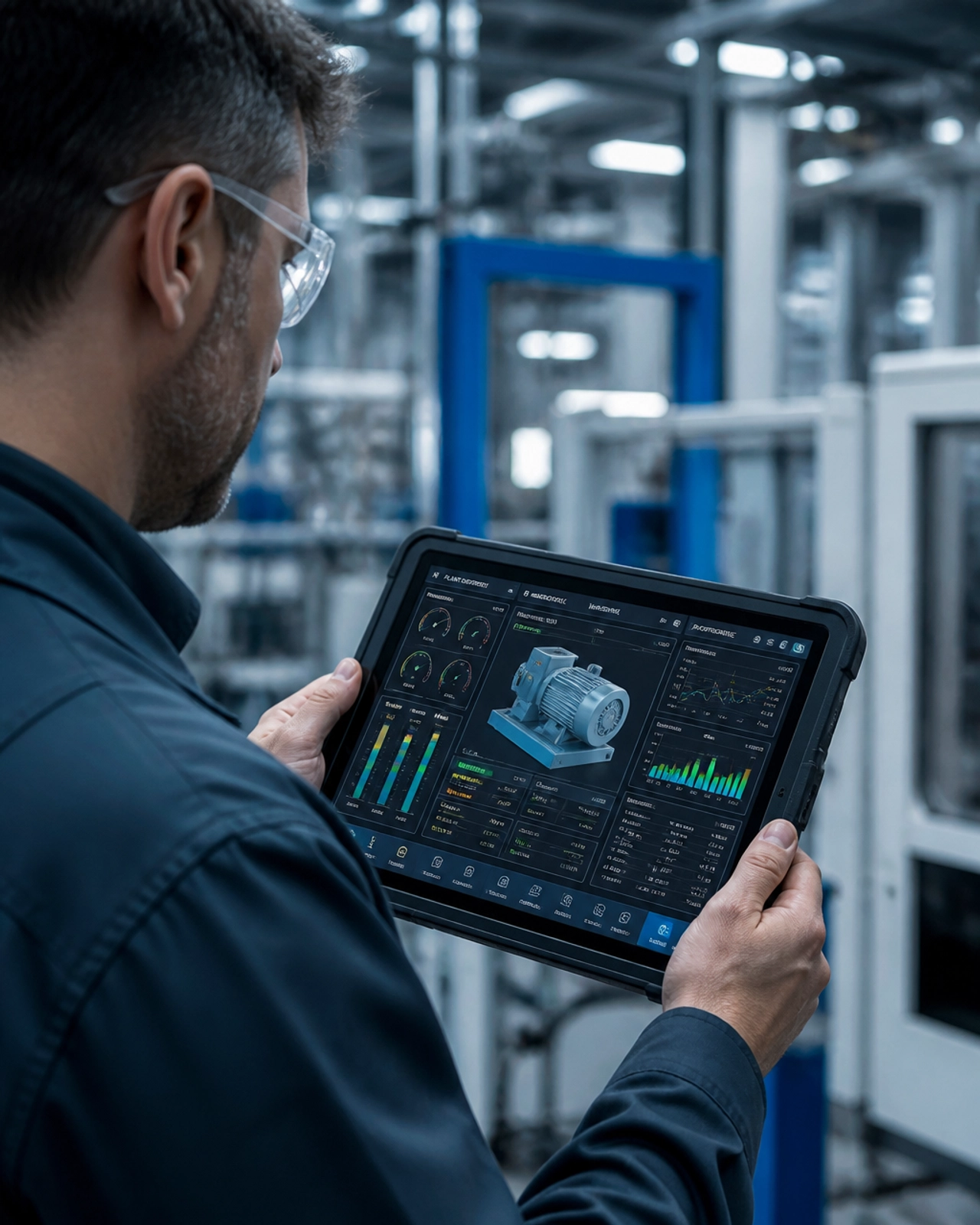
Ignition provides two primary visualization approaches. Vision supports traditional desktop-style HMI applications, while Perspective supports responsive, browser-based applications that can be accessed from workstations, tablets, and other approved devices.
This flexibility can be useful when a manufacturer wants operators, maintenance teams, supervisors, and managers to view information at different levels. Perspective can also support modern web-based design patterns, although application quality still depends on good screen design, navigation, alarm management, and security practices.
FactoryTalk View SE is a mature platform for networked HMI and SCADA applications. Its strongest advantage is often its close relationship with Rockwell controllers and FactoryTalk services. ViewPoint can provide browser-based access, while standard View SE clients support conventional operator interface applications.
AVEVA InTouch and InTouch OMI provide established tools for process visualization, supervisory applications, and object-based deployments. AVEVA’s visualization capabilities are particularly relevant for facilities that already use System Platform, AVEVA Historian, batch tools, or other AVEVA products.
When comparing visualization, look beyond graphics. Review alarm presentation, user permissions, faceplates, navigation, mobile requirements, cybersecurity, screen standards, and the ability to maintain the application over time.
Historian and reporting capabilities
Historical data supports production analysis, troubleshooting, quality review, maintenance planning, and regulatory documentation. The right historian strategy should therefore be part of the initial SCADA design.
Ignition’s Tag Historian module can store tag history in a SQL database, making historical information accessible through standard database tools. Its Reporting module can generate scheduled and on-demand reports using production and historical data. This can be useful for organizations that want to connect operational information with existing SQL, business intelligence, or enterprise data systems.
FactoryTalk View SE integrates with the broader Rockwell ecosystem, including FactoryTalk Historian. FactoryTalk Historian is a separate product with its own capabilities and licensing considerations. This arrangement can be appropriate for an Allen-Bradley-centered facility that already uses Rockwell data, alarm, and asset-management tools.
AVEVA Historian is a mature option for process and production environments that require time-series storage and integration with AVEVA applications. Facilities using System Platform, InTouch, AVEVA analytics, or MES tools may benefit from keeping their data within that ecosystem.
Before selecting a historian, corroborate the requirements for sampling, compression, retention, redundancy, data access, reporting, and long-term storage. A system that collects data is not automatically a system that makes data useful. The information must be organized, contextualized, and made accessible to the people responsible for production and quality.
Compatibility with existing controls
Your current controls environment is often the deciding factor.
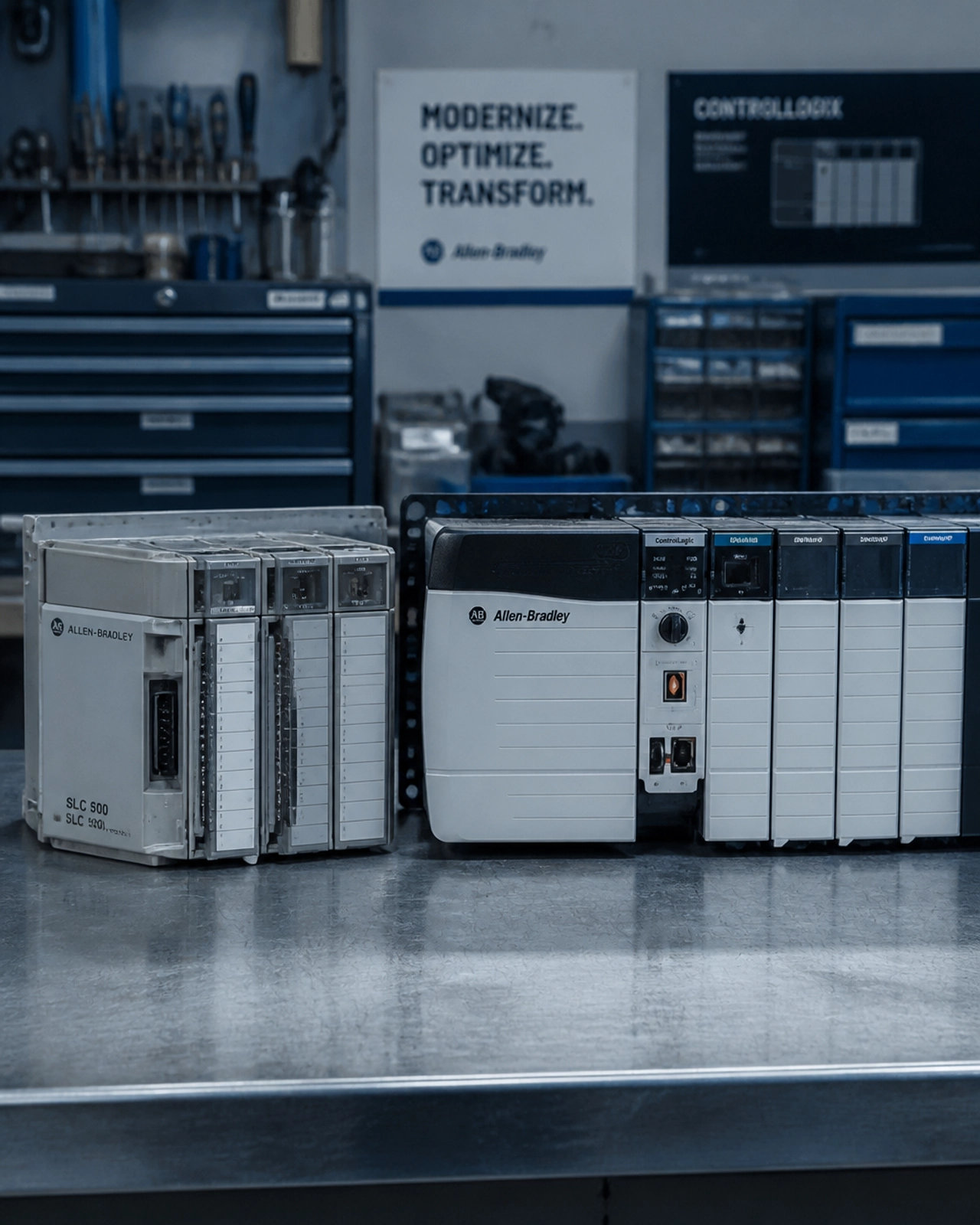
If your facility is primarily built around Allen-Bradley ControlLogix or CompactLogix PLCs, FactoryTalk may offer the most direct alignment with existing Rockwell tools and support practices. Rockwell’s FactoryTalk and Rockwell Automation system integration capabilities can be especially relevant when your application depends heavily on Logix tags, FactoryTalk services, and Rockwell network infrastructure.
Ignition is designed for broad connectivity. It can communicate with multiple PLC brands and industrial devices through OPC UA, MQTT, database connections, and other available interfaces. That makes it a strong candidate for mixed-vendor plants, acquisitions with diverse controls standards, or new projects that require open data access.
AVEVA may be the most practical choice when your plant has a substantial existing investment in InTouch, System Platform, AVEVA Historian, or related process and batch applications. Retaining a common object model and data environment can reduce unnecessary disruption.
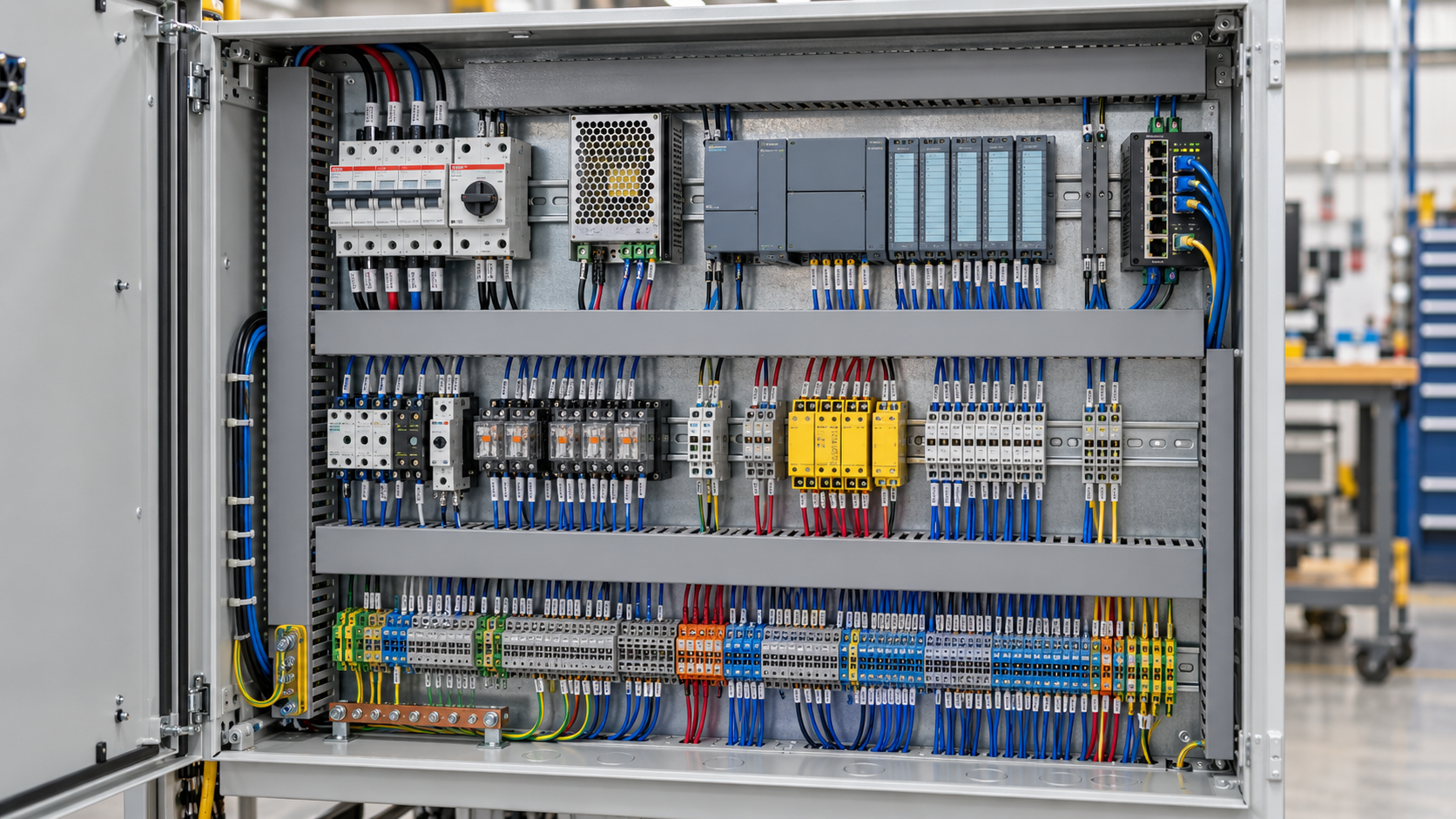
CCS can help you evaluate your PLCs, HMIs, networks, control panels, and software before a platform decision is finalized. Our engineering services include PLC program development, HMI application development, industrial networking design, and documentation.
Migration considerations
Moving from one SCADA platform to another is rarely a one-click conversion. It is usually a controlled re-engineering project.
A responsible migration should begin with an inventory of:
- PLCs, remote I/O, drives, and communications
- HMI screens and navigation structures
- Tags, alarms, users, and security roles
- Historian points and retention requirements
- Reports, recipes, batch functions, and interfaces
- Servers, networks, backups, and recovery procedures
The project team should then map the existing information into the new architecture. Screens may need to be redesigned rather than copied exactly. Alarm priorities may need to be reviewed. Historical data may remain in the original historian while new data is collected in the replacement system, or both systems may be connected to a common data structure.
Phased migration is often preferable to a single large cutover. A line-by-line or area-by-area approach allows your team to test communications, validate graphics, train operators, and address issues before expanding the deployment. For critical production systems, parallel operation and a documented fallback plan may also be appropriate.
Our control system upgrade services are designed to help manufacturers assess existing PLC and HMI systems, identify practical migration paths, and align upgrades with specific needs and expectations.
Which SCADA platform is right for your plant?
Choose Ignition when you prioritize flexible architecture, mixed-vendor connectivity, browser-based visualization, SQL integration, and predictable expansion.
Choose FactoryTalk when your facility is heavily standardized on Allen-Bradley controls and you want close integration with the Rockwell software ecosystem.
Choose AVEVA InTouch or System Platform when your operation already depends on AVEVA technologies or requires a mature process-oriented architecture with established historian and batch integrations.
The right decision should account for more than brand preference. Your team should analyze the complete lifecycle: engineering, licensing, deployment, operator usability, support, cybersecurity, data management, future expansion, and upkeep.
Complete Control Solutions provides Ignition SCADA system integration services throughout Central Pennsylvania and the Mid-Atlantic, including SCADA, HMI, PLC, networking, control-system upgrades, and on-site support. Whether you are evaluating a new platform or migrating an existing application, our engineers can help you initiate a practical, well-documented plan.
Contact CCS to discuss your SCADA requirements and determine which platform best supports your operation today and your future needs.